
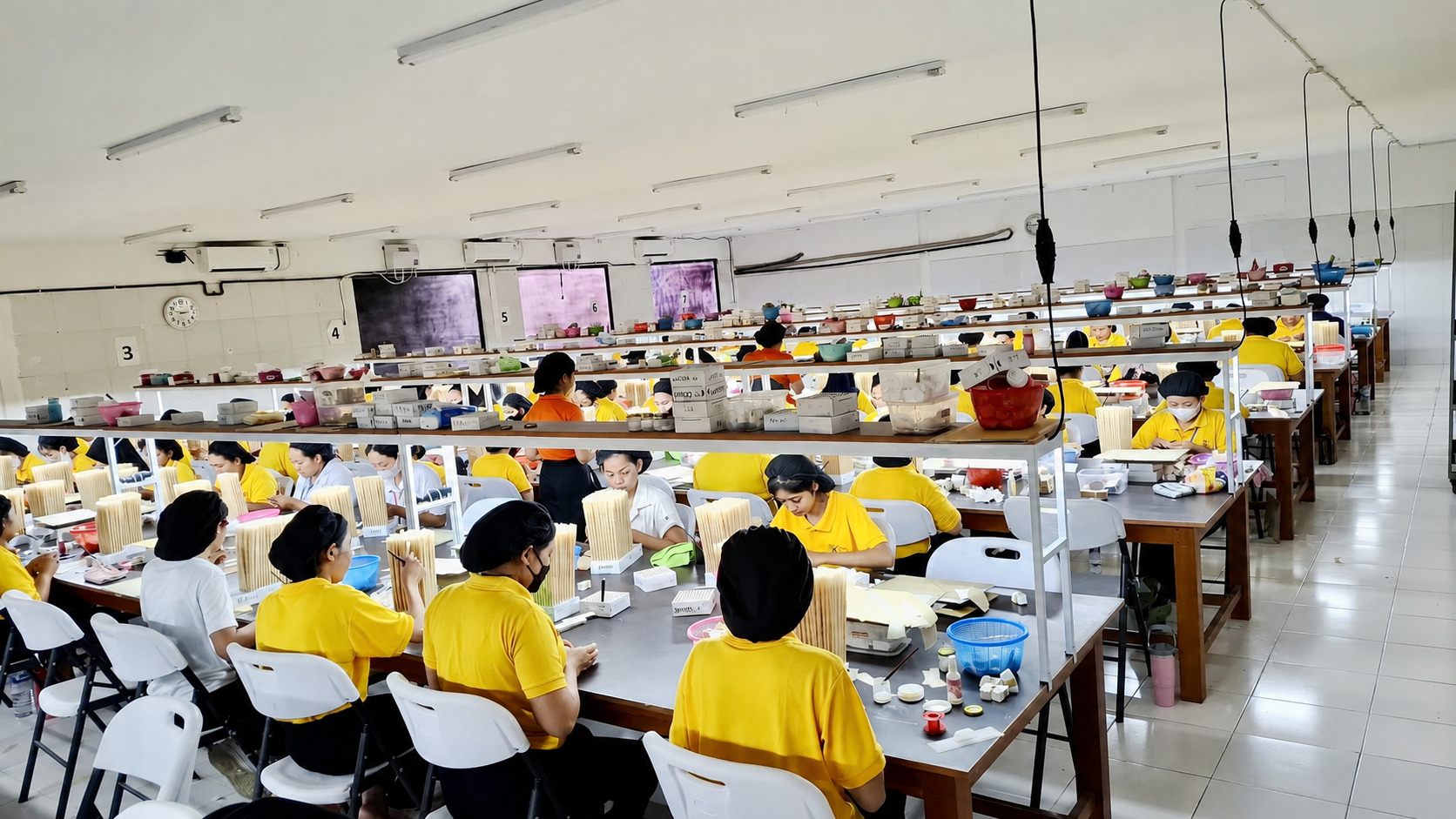
In the rapidly evolving landscape of smoking accessories, high-quality paper cones factory standards play a pivotal role in ensuring product excellence. Purchasing managers, procurement officers, and supply chain managers all rely on these benchmarks when they evaluate manufacturers. Consequently, understanding what these standards actually cover helps buyers make confident sourcing decisions and protect their brand's reputation in a competitive market.
As demand for pre-rolled paper cones grows worldwide, buyers can no longer judge a factory by price alone. Instead, they need a clear framework for assessing materials, processes, and testing protocols. This article breaks down that framework so procurement teams can evaluate suppliers with real confidence.
The Importance of Quality Assurance in Rolling Papers
Quality assurance in rolling papers is not simply a buzzword; rather, it is a foundational principle that guarantees consumer safety and satisfaction. Manufacturers must follow strict quality control processes so their products remain reliable, consistent, and effective batch after batch.
One key aspect of quality assurance is raw material selection. High-quality paper cones must be made from premium fibers that burn evenly and enhance the overall smoking experience. Furthermore, manufacturers should conduct thorough product testing to confirm that every cone meets established benchmarks before it reaches the market.
Key elements of quality assurance include:
- Raw Material Selection. Quality begins with sourcing high-grade fibers that are safe for consumption.
- Manufacturing Processes. Efficient, clean techniques help preserve product integrity from start to finish.
- Final Product Testing. Rigorous tests confirm durability, burn rate, and everyday usability.
Because these elements work together, no single step can be skipped without compromising the final product.
Manufacturing Standards for Smoking Accessories
Manufacturing standards for smoking accessories, including paper cones, exist to protect both consumers and brands. These standards cover a wide range of guidelines that manufacturers must follow so their products remain effective, consistent, and, above all, safe.
When factories adhere to these guidelines, they avoid costly legal issues and, at the same time, strengthen their reputation across the supply chain. For example, companies that comply with ISO standards typically find it easier to earn trust from distributors and retailers alike, since certification signals a verifiable commitment to consistent output.
Following manufacturing standards offers several clear benefits:
- Consumer Trust. Compliance builds confidence among retailers and end users.
- Market Competitiveness. Certified companies can differentiate themselves in a crowded marketplace.
- Risk Mitigation. Consistent adherence reduces the likelihood of recalls and the costs that follow them.
In short, these standards act as a shared language between manufacturers and buyers, making expectations clear on both sides.
Quality Control Processes in Manufacturing
Quality control processes are essential throughout the manufacturing of paper cones. These processes ensure that every batch, without exception, meets predetermined criteria for quality and safety. Regular audits and internal assessments therefore play a critical role in spotting improvement areas early and confirming ongoing compliance with industry standards.
Additionally, advanced technology can significantly strengthen quality control. Automated systems, for instance, monitor production lines continuously and flag deviations in real time, which allows teams to take corrective action before a problem grows larger.
Typical steps in a strong quality control system include:
- Continuous Monitoring. Sensors and monitoring tools oversee each stage of production.
- Testing Protocols. Rigorous testing procedures apply to both raw materials and finished cones.
- Feedback Loops. Customer and retailer feedback feeds directly into future production improvements.
Together, these steps create a cycle of ongoing refinement rather than a single, one-time check.
What to Look For When Evaluating Manufacturers
For purchasing managers and procurement officers, evaluating suppliers against recognized high-quality paper cones factory standards remains essential before signing any contract. The following criteria can guide that evaluation:
- Certifications. Prioritize manufacturers holding ISO certifications or other relevant industry credentials.
- Reputation. Review testimonials and industry feedback to gauge a manufacturer's track record.
- Transparency. A reputable manufacturer should openly share details about its quality assurance processes, testing data, and sourcing practices.
Moreover, understanding different manufacturing techniques can sharpen decision-making even further. Exploring innovative approaches to production often reveals how efficient and consistent a manufacturer's process really is. Buyers who take the time to compare these techniques across suppliers typically end up with more reliable long-term partnerships.
It is also worth noting that strong manufacturing quality rarely happens by accident. It results from deliberate investment in equipment, staff training, and documented procedures that hold up under scrutiny. Buyers should ask suppliers directly how they maintain consistency across large production runs, since this question often reveals more than a certificate alone.
Conclusion
Understanding high-quality paper cones factory standards is essential for ensuring that smoking accessories meet both consumer expectations and industry regulations. By focusing on quality assurance, following manufacturing standards, and implementing robust quality control processes, purchasing managers and procurement officers can evaluate manufacturers far more effectively.
Ultimately, this knowledge protects consumer safety while also strengthening brand reputation and market competitiveness. Buyers who apply these standards consistently position themselves to build long-term, trustworthy partnerships with reliable factories.
For more information on high-quality paper cones and the standards that govern their production, visit DM Cones today.